
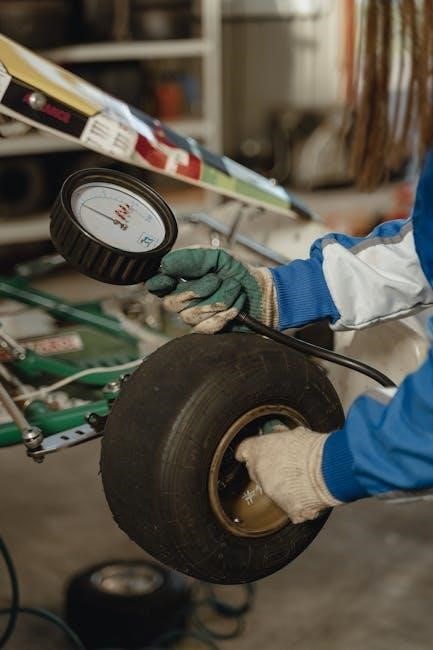
This manual expertly guides users through the Porter Cable C2002, unlocking masterful control and ensuring optimal performance of this 150 PSI air compressor.
Overview of the Compressor and its Uses
The Porter Cable 150 PSI air compressor, specifically the C2002 model, is a versatile power tool designed for a wide array of applications. It’s engineered to deliver consistent air pressure, making it ideal for tasks ranging from inflating tires and powering nail guns to operating spray painters and various pneumatic tools.
Its 150 PSI maximum pressure allows for demanding jobs requiring substantial airflow. This compressor is frequently utilized in home improvement projects, automotive repairs, and light-duty construction. Understanding its capabilities, as detailed in the accompanying manual, is crucial for maximizing efficiency and ensuring safe operation. The C2002 empowers users with precise control over pneumatic functionalities.
Importance of the Manual for Safe Operation
Prior to operating the Porter Cable 150 PSI air compressor (C2002), thoroughly reviewing this manual is paramount for safe and effective use. It details critical safety precautions, component functions, and proper operating procedures. Ignoring these guidelines can lead to equipment damage, personal injury, or both.
The manual provides essential information regarding pressure regulation, maintenance schedules, and troubleshooting common issues. It’s a vital resource for understanding the compressor’s limitations and ensuring adherence to recommended practices. Mastering the functionalities, as the manual unlocks, is key. Always refer to this guide for optimal performance and to mitigate potential hazards associated with compressed air systems.

Safety Precautions
Always prioritize safety when using the Porter Cable compressor; this manual details crucial rules and specific warnings to prevent injury and ensure proper operation.
General Safety Rules for Air Compressors
Before operating any air compressor, including the Porter Cable 150 PSI model, thoroughly read and understand all safety instructions. Always wear appropriate eye and ear protection to safeguard against debris and loud noises. Ensure the work area is well-ventilated, as compressors can produce fumes. Never operate a damaged compressor or use altered parts.
Inspect hoses and connections for wear before each use, replacing them if necessary. Avoid directing airflow towards yourself or others. Disconnect the power supply before performing any maintenance or repairs. Never leave the compressor unattended while running. Be mindful of the potential for stored energy even after shutdown; always release air pressure before servicing. Keep flammable materials away from the compressor. Proper grounding is essential to prevent electrical shock.
Specific Warnings for the Porter Cable Model
The Porter Cable C2002 150 PSI compressor requires diligent adherence to specific warnings. Never exceed the maximum pressure of 150 PSI, as this could lead to component failure and potential injury. Regularly check the oil level, as insufficient lubrication can damage the pump. Ensure the safety valve is functioning correctly to prevent over-pressurization.
Avoid continuous operation for extended periods; allow the compressor to cool down. Be cautious of hot surfaces during and after use. Do not modify the compressor in any way, as this will void the warranty and compromise safety. Always disconnect the power cord before performing any maintenance. Refer to the parts diagram (C2002 reference) for correct component identification during repairs or replacements.
Component Identification
Understanding each part, referencing the C2002 diagram, is crucial for safe operation, effective maintenance, and accurate parts replacement of your Porter Cable compressor.
Detailed Parts Diagram (C2002 Reference)
The Porter Cable C2002 air compressor’s functionality relies on a carefully engineered assembly of components. A detailed parts diagram is absolutely essential for both maintenance and repair procedures. This diagram, referenced as C2002, visually maps out each individual part, providing clear identification for users.
Key components illustrated include the air tank, motor, pump, pressure switch, check valve, safety valve, air filter, and various hoses and fittings. The diagram also highlights smaller parts like screws, bolts, and o-rings. Accurate identification using the C2002 reference ensures that the correct replacement parts are ordered, preventing compatibility issues and maintaining optimal compressor performance. Always consult the diagram before disassembling or attempting any repairs.
Function of Each Component
Understanding each component’s role is crucial for effective operation and maintenance. The air tank stores compressed air, providing a reserve for consistent power. The motor drives the pump, which compresses atmospheric air. The pressure switch automatically controls the motor, maintaining the desired PSI (up to 150).
The check valve prevents backflow, ensuring air only moves towards the tank. A safety valve releases excess pressure, preventing dangerous over-inflation. The air filter removes contaminants, protecting internal components; Hoses and fittings deliver air to tools. Proper function of each part, as detailed in the C2002 manual, guarantees safe and efficient compressor use.
Operating Instructions
Follow the C2002 manual for proper setup, ensuring a secure air supply and tool connection before initiating compressor operation for optimal results.
Initial Setup and Preparation
Before first use, carefully inspect the Porter Cable C2002 air compressor for any shipping damage. Ensure all components listed in the parts diagram are present and undamaged. Position the compressor on a stable, level surface, allowing adequate ventilation around the unit – at least 24 inches clearance is recommended.
Connect the air compressor to a properly grounded electrical outlet matching the voltage specified on the nameplate. Before connecting any air tools, drain any moisture that may have accumulated in the tank by opening the tank drain valve. Check all fittings and connections for tightness to prevent air leaks. Refer to the manual’s detailed instructions for proper hose connection and regulator adjustment, preparing for safe and efficient operation.
Starting and Stopping the Compressor
To start the Porter Cable C2002, ensure the power switch is in the “OFF” position before plugging into a grounded outlet. Open the pressure regulator to its highest setting. Then, switch the power to “ON”. The compressor will automatically start filling the tank, and will shut off when it reaches the pre-set maximum pressure (150 PSI).
To stop the compressor, simply switch the power to “OFF”. Always release air pressure from the tank before performing any maintenance or moving the unit. Never disconnect the power cord while the compressor is running. Proper starting and stopping procedures ensure longevity and safe operation of your air compressor.
Adjusting Air Pressure (Up to 150 PSI)
The Porter Cable C2002 features a pressure regulator to adjust the output air pressure, ranging up to its maximum of 150 PSI. Before adjusting, ensure the compressor has reached its maximum pressure and then shut it off. Turn the regulator knob clockwise to increase pressure and counter-clockwise to decrease it.
Observe the pressure gauge while adjusting to achieve the desired PSI for your tool or application. Always start with a lower pressure setting and gradually increase it as needed. Never exceed the maximum pressure rating of your air tools. Regular pressure adjustments optimize performance and prevent damage.
Maintenance Schedule
Consistent maintenance, including daily, weekly, and annual checks, is crucial for the longevity and optimal performance of your Porter Cable C2002 compressor.
Daily Maintenance Checks
Before each use of your Porter Cable 150 PSI air compressor, perform a quick visual inspection. Check the power cord for any damage, such as fraying or exposed wires, and ensure it’s securely connected. Examine the air hose for cracks, kinks, or leaks, replacing it if necessary.
Drain any accumulated water from the tank using the drain valve; this prevents corrosion and maintains air quality. Verify the oil level in the pump (if applicable to your model) and top it off if needed. Listen for any unusual noises during the initial startup, which could indicate a potential problem. A proactive daily routine ensures safe and efficient operation, extending the life of your compressor and preventing costly repairs.
Weekly Maintenance Procedures
Alongside daily checks, a weekly maintenance routine is crucial for your Porter Cable 150 PSI air compressor’s longevity. Thoroughly inspect all fittings and connections for air leaks, tightening as needed. Clean the air intake filter to ensure optimal airflow and prevent contaminants from entering the pump.
Check the drive belt (if applicable) for wear and tension, adjusting or replacing it if necessary. Wipe down the exterior of the compressor to remove dust and debris. Review the drain valve operation, ensuring it opens and closes smoothly. Consistent weekly attention minimizes wear and tear, maximizing performance and preventing unexpected breakdowns, ultimately saving time and money.
Monthly/Annual Maintenance Tasks
Beyond weekly upkeep, monthly tasks deepen compressor care. Drain the tank completely to remove accumulated moisture, preventing rust and corrosion. Inspect the check valve for proper function, replacing if needed. Annually, change the compressor oil (if oil-lubricated) following the manufacturer’s recommendations for oil type and quantity.
Examine the pressure switch and safety valve for correct operation, testing the safety valve’s release pressure. A comprehensive annual inspection by a qualified technician is advisable. These less frequent, but vital, procedures safeguard against major issues, extending the compressor’s lifespan and ensuring reliable performance for years to come.
Troubleshooting Common Issues
Addressing problems like startup failures, low pressure, or unusual noises is crucial for maintaining your Porter Cable C2002’s optimal functionality and longevity.
Compressor Not Starting
Possible Cause 1: Power Supply Issues. Verify the compressor is securely plugged into a functioning electrical outlet. Check the circuit breaker or fuse box to ensure the circuit hasn’t tripped or blown. A faulty extension cord can also prevent startup.
Possible Cause 2: Low Voltage. Insufficient voltage reaching the compressor can hinder operation. Avoid using excessively long or thin extension cords, as they contribute to voltage drop.
Possible Cause 3: Pressure Switch Malfunction. The pressure switch controls the motor’s on/off cycle. If defective, it may prevent the compressor from starting. Inspect for visible damage or test with a multimeter (consult a qualified technician).
Possible Cause 4: Overload Protection. The motor features overload protection that trips if overheated. Allow the compressor to cool down for 30-60 minutes before attempting to restart.
Action: If the issue persists, consult a qualified technician for diagnosis and repair.
Low Air Pressure
Possible Cause 1: Air Leaks. Inspect all fittings, hoses, and connections for air leaks. Tighten any loose connections or replace damaged components. Soapy water can help identify leak sources by creating bubbles.
Possible Cause 2: Regulator Setting. Verify the pressure regulator is set to the desired pressure. A low regulator setting will restrict airflow and result in insufficient pressure.
Possible Cause 3: Clogged Air Filter. A dirty or clogged air filter restricts airflow to the pump, reducing efficiency and pressure output. Clean or replace the air filter regularly.
Possible Cause 4: Internal Component Wear. Worn piston rings or valves within the compressor can lead to reduced compression and lower air pressure.
Action: Address leaks, adjust the regulator, clean the filter, or consult a technician for internal repairs.
Unusual Noises During Operation
Possible Cause 1: Loose Components. Check for loose bolts, panels, or other components that may be vibrating during operation. Tighten any loose fasteners to eliminate rattling or buzzing sounds.
Possible Cause 2: Worn Pump Components. Grinding or squealing noises may indicate worn piston rings, bearings, or valves within the compressor pump. This requires professional attention.
Possible Cause 3: Belt Issues (if applicable). If your model has a belt-driven pump, inspect the belt for wear, cracks, or looseness. A worn or loose belt can cause squealing or slipping noises.
Possible Cause 4: Air Leaks. Sometimes, a significant air leak can create a hissing or whistling sound. Inspect connections as described in the ‘Low Air Pressure’ section.
Action: Tighten, replace, or consult a technician for internal repairs.
Parts Replacement
Ensuring longevity, readily available C2002 parts empower users to efficiently replace worn components, maintaining peak performance of their 150 PSI Porter Cable compressor.
Identifying Replacement Parts
Accurate part identification is crucial for successful repairs of your Porter Cable C2002 air compressor. Begin by consulting the detailed parts diagram within this manual – often referenced as “C2002 Reference” – to visually locate the component needing replacement. Note the specific part number associated with each item; this number is your key to ordering the correct replacement.
Cross-reference the part number with online retailers or contact Porter Cable’s customer support for verification. Pay close attention to any revisions or supersessions indicated, as parts may be updated over time. When in doubt, providing the compressor’s model number and serial number will assist in accurate identification. Incorrect parts can lead to further damage or improper function, so diligence is paramount.
Ordering Replacement Parts (C2002 Parts Availability)
Once you’ve identified the necessary replacement parts using the C2002 parts diagram, several avenues exist for procurement. Porter Cable’s official website is a primary source, often offering direct ordering with guaranteed compatibility. Numerous online retailers specializing in power tool parts also stock components for this 150 PSI compressor.
When ordering, always double-check the part number against your manual to avoid errors. Availability can fluctuate, so be prepared to explore multiple suppliers if your first choice is out of stock. Consider shipping costs and estimated delivery times. Retain order confirmations and receipts for warranty purposes. Porter Cable strives to maintain reasonable parts availability for the C2002 model, ensuring longevity for your compressor.

Warranty Information
Porter Cable provides coverage details for the C2002, ensuring peace of mind; claim procedures are outlined within the manual for efficient service requests;
Coverage Details
The Porter Cable warranty for the 150 PSI air compressor, specifically the C2002 model, generally covers defects in materials and workmanship for a specified period from the date of original purchase. This typically includes coverage for component failures that occur during normal use, as described in the accompanying manual.
However, the warranty does not cover damage resulting from misuse, abuse, improper maintenance, or unauthorized repairs. Accessories, such as air hoses or fittings, may have a separate, shorter warranty period. It’s crucial to retain proof of purchase, as this is required for any warranty claim. The full warranty document, included with the compressor and available online, details specific terms, conditions, and limitations of coverage.
Claim Procedures
To initiate a warranty claim for your Porter Cable 150 PSI air compressor (C2002 model), first gather your original proof of purchase and a detailed description of the defect. Contact Porter Cable’s customer service department – details are found within the manual – to obtain a Return Merchandise Authorization (RMA) number.

Carefully package the compressor, preferably in its original packaging, and clearly mark the RMA number on the outside of the box. Ship the unit to the authorized service center specified by Porter Cable, paying for shipping costs initially. Upon verification of the defect, Porter Cable will either repair or replace the compressor, at their discretion, and may reimburse reasonable shipping expenses.