

The Diary of Anne Frank Play Script PDF: A Comprehensive Guide
The Diary of Anne Frank, adapted for the stage, offers a powerful theatrical experience. Finding a reliable PDF version of the script allows educators, actors, and enthusiasts to deeply engage with this poignant story.
Numerous sources offer access, but verifying legitimacy is crucial to ensure a quality, accurate script for study or performance purposes.
The adaptation preserves Anne’s spirit, shining through every line, and remains a significant work for its historical and emotional impact.
Understanding the Historical Context
The Diary of Anne Frank emerges from one of history’s darkest periods: the Holocaust. Understanding the socio-political climate of World War II and the systematic persecution of Jews by Nazi Germany is paramount when approaching both the diary and the subsequent play script.
The Frank family, like millions of others, sought refuge from escalating oppression, ultimately hiding in the “Secret Annex” – a concealed apartment behind Otto Frank’s business in Amsterdam. This context profoundly shapes the narrative, highlighting the constant fear, deprivation, and the struggle for survival experienced by those in hiding.
The play script, derived from Anne’s writings, doesn’t merely recount events; it embodies the atmosphere of confinement and the psychological toll it took on its inhabitants.
Knowing the historical backdrop – the rise of antisemitism, the implementation of discriminatory laws, and the eventual deportation of Jews to concentration camps – enriches the interpretation of the script. It underscores the bravery of those who risked their lives to help others and the tragic fate that ultimately befell most of those hidden away.
Accessing a PDF of the script allows for detailed study, enabling a deeper appreciation of the historical realities woven into the fabric of Anne’s story.
The Origins of the Play: From Diary to Stage
The journey of The Diary of Anne Frank from a personal account to a celebrated play is a compelling story in itself. Following the end of World War II, Otto Frank, Anne’s father, discovered her diary – a remarkably candid and insightful record of her life in hiding.
Initially hesitant to publish it, he was persuaded by friends, and the diary was first published in 1947. Its profound impact was immediate, resonating with readers worldwide. However, the transition to the stage began with producer Kermit Bloomgarden, who envisioned its dramatic potential.
He commissioned Frances Goodrich and Albert Hackett to adapt the diary into a play. Their initial version faced challenges, with producers deeming it too somber. Later, playwrights Goodrich and Hackett collaborated with Meyer Levin, who significantly reshaped the script, adding dramatic structure and dialogue.
The resulting play premiered in 1955, becoming a Broadway sensation and subsequently touring internationally. A PDF version of the script allows modern audiences to trace this evolution, examining how Anne’s intimate writings were transformed into a powerful theatrical experience.
Frances Goodrich and Albert Hackett: The Playwrights
Frances Goodrich and Albert Hackett were a celebrated American writing team, renowned for their successful collaborations in both playwriting and screenwriting. Before tackling The Diary of Anne Frank, they established themselves with comedies like “Merrily We Roll Along” and adapted “The Philadelphia Story” for the screen, showcasing their skill with dialogue and character development.
Commissioned by Kermit Bloomgarden, Goodrich and Hackett initially adapted Anne Frank’s diary, but their early drafts were considered lacking in dramatic tension. Recognizing the need for a stronger narrative arc, they welcomed playwright Meyer Levin to collaborate.
While Levin contributed significantly to the final script, Goodrich and Hackett’s foundational work remained crucial. They skillfully translated Anne’s intimate diary entries into compelling stage dialogue, capturing her voice and spirit. Their expertise in crafting relatable characters ensured the audience connected with the Frank family and their plight.
Accessing a PDF of the play script reveals their careful construction of scenes and their ability to balance historical accuracy with theatrical impact, solidifying their legacy in adapting a profoundly moving story for the stage.
Availability of the Play Script in PDF Format
Finding a PDF version of “The Diary of Anne Frank” play script requires navigating various online resources. While numerous websites claim to offer free downloads, caution is advised due to potential copyright infringements and the risk of encountering inaccurate or incomplete versions.
Generally, obtaining a legitimate PDF copy involves purchasing it from authorized sources. Dramatists Play Service is a primary vendor, offering a licensed script for educational and performance purposes. Other online bookstores specializing in theatrical works may also carry the PDF format.
Free previews or excerpts are sometimes available, allowing potential buyers to assess the script’s quality before committing to a purchase. However, a complete, legally obtained PDF ensures access to the full text, stage directions, and character breakdowns.
Beware of unofficial sites offering “free” downloads, as these may contain errors or violate copyright laws. Investing in a legitimate PDF supports the playwrights and ensures a reliable resource for studying or performing this impactful work.
Legitimate Sources for Downloading the PDF
When seeking a PDF of “The Diary of Anne Frank” play script, prioritizing legitimate sources is paramount. Dramatists Play Service stands as the most reliable and legally sound option. Their website (dramatists.com) offers a licensed version for purchase, ensuring accuracy and supporting the rights holders.
Major online booksellers, such as Amazon and Barnes & Noble, frequently stock the script in PDF format, often providing options for immediate download. These retailers typically partner directly with Dramatists Play Service, guaranteeing authenticity.
Educational institutions may have access to digital play script libraries through subscriptions or partnerships. Checking with school or university libraries can reveal available resources. Samuel French, another reputable play publisher, may also offer the script.
Avoid websites promising free downloads from unofficial sources. These often contain incomplete, inaccurate, or illegally copied versions. Purchasing from authorized vendors ensures a quality PDF and supports the artistic community.
Dramatists Play Service: A Primary Source

Dramatists Play Service (DPS) is the definitive primary source for obtaining a legal and accurate PDF version of “The Diary of Anne Frank” play script. As the official licensing agent, DPS guarantees the integrity of the text, ensuring it aligns with Frances Goodrich and Albert Hackett’s original adaptation.
Purchasing directly from DPS supports playwrights and the theatrical arts. Their website, dramatists.com, provides a straightforward purchasing process, with options for individual use, classroom study, or full production licensing. The PDF is typically delivered electronically, allowing for immediate access.
DPS offers various editions, potentially including study guides and supplemental materials alongside the script itself. This comprehensive approach makes it ideal for educational purposes. The cost reflects the value of a legally obtained, high-quality resource.

Choosing DPS eliminates the risks associated with unofficial downloads, such as corrupted files, inaccurate text, or copyright infringement. It’s a responsible and ethical way to access this important piece of theatrical literature.

Potential Risks of Downloading from Unofficial Sites
Downloading the “Diary of Anne Frank” play script PDF from unofficial websites carries significant risks. These sites often host illegally distributed copies, potentially violating copyright laws and supporting unethical practices. Beyond the legal implications, the quality and security of these downloads are frequently compromised.

Unofficial PDFs may contain viruses, malware, or other harmful software that can infect your device and compromise your personal information. The script itself could be riddled with errors, omissions, or alterations, distorting the playwrights’ intent and impacting its artistic integrity.
Furthermore, these files may be incomplete or poorly formatted, rendering them unusable for study or performance. You risk receiving a corrupted file that won’t open or display correctly.
Supporting unofficial sources undermines the work of the playwrights, publishers, and licensing agencies like Dramatists Play Service. Choosing legitimate sources ensures you receive an accurate, safe, and legally obtained copy of this important theatrical work, protecting both yourself and the artistic community.
Analyzing the Script’s Structure and Characters

The “Diary of Anne Frank” play script PDF reveals a carefully constructed dramatic arc, adapting Anne’s diary entries into a compelling stage narrative. The script largely maintains a chronological structure, mirroring the timeline of the family’s confinement in the Secret Annex. However, Goodrich and Hackett skillfully weave in dramatic license for theatrical effect.
Analyzing the character development is crucial. Anne Frank’s transformation from a naive young girl to a thoughtful, introspective adolescent is central to the play’s emotional core. The script highlights her evolving relationships with her mother, father, and Peter Van Daan.
The supporting characters – the Franks, the Van Daans, and Mr. Dussel – are equally well-defined, each contributing to the claustrophobic atmosphere and the exploration of universal themes. Examining their interactions and motivations provides insight into the complexities of human behavior under extreme pressure.
The script’s structure, utilizing scenes and dialogue, effectively conveys the tension, hope, and despair experienced by those in hiding, making it a powerful and enduring piece of dramatic literature.

Key Scenes and Their Significance
The “Diary of Anne Frank” play script PDF showcases several pivotal scenes that amplify the play’s emotional resonance. The initial scene establishing the family’s move into the Annex immediately establishes the oppressive atmosphere and the precariousness of their situation.
The Hanukkah scene, despite the surrounding fear, offers a poignant moment of normalcy and hope, highlighting the family’s resilience. Anne’s birthday scene, marked by the meager gifts and the longing for a normal life, underscores the sacrifices they endure.

The developing relationship between Anne and Peter is another key element, depicted through several intimate scenes, symbolizing a blossoming of hope amidst despair. The final scene, with the arrival of the Gestapo, is devastating, abruptly shattering the illusion of safety.
Each scene, carefully crafted within the script, contributes to the play’s overarching themes of persecution, courage, and the enduring power of the human spirit. These moments are crucial for understanding the full impact of Anne Frank’s story.
Anne Frank’s Character Development in the Play

The “Diary of Anne Frank” play script PDF vividly portrays Anne’s remarkable transformation from a carefree young girl to a thoughtful, introspective teenager. Initially presented as talkative and somewhat naive, the script reveals her growing awareness of the dangers surrounding her and her family.
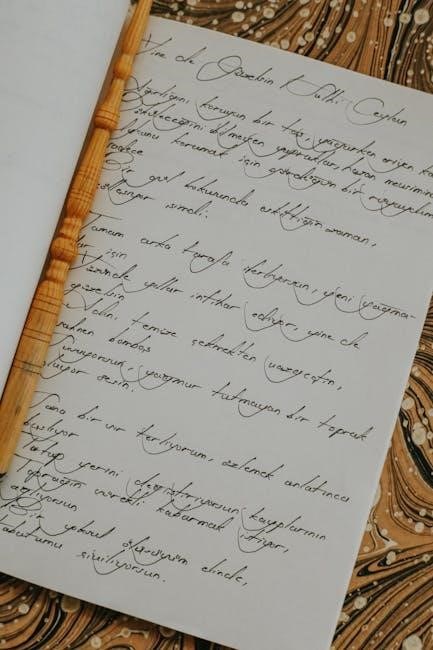
Throughout the play, Anne grapples with complex emotions – fear, loneliness, hope, and frustration – all meticulously documented within the script’s dialogue and stage directions. Her relationship with her mother is strained, yet the script shows her yearning for maternal affection.
Her budding romance with Peter offers a glimpse into her desire for connection and normalcy. The script highlights her intellectual curiosity and her unwavering belief in the goodness of humanity, even in the face of unimaginable cruelty.
Ultimately, the play script demonstrates Anne’s maturation into a young woman of profound insight and resilience, making her story all the more heartbreaking and inspiring. Her spirit shines through every line.
The Role of Otto Frank in the Play and Historical Account
The “Diary of Anne Frank” play script PDF presents Otto Frank as the steadfast anchor of the family during their confinement. He embodies quiet dignity and resilience, providing a sense of stability amidst chaos, as reflected in the script’s portrayal of his interactions with Anne and the others.
The script showcases Otto’s attempts to maintain normalcy and hope, offering comfort and guidance while grappling with his own fears. He serves as a crucial link to the outside world, managing resources and attempting to secure their safety.
Historically, Otto Frank was the sole survivor of the eight people in hiding. His decision to publish Anne’s diary – the source material for the play script – ensured her voice would resonate across generations.
The play script, and the historical record, emphasize Otto’s profound grief and his dedication to preserving Anne’s memory. He represents the enduring power of the human spirit and the importance of remembering the horrors of the Holocaust. His role is pivotal.
Themes Explored in “The Diary of Anne Frank” Play
The “Diary of Anne Frank” play script PDF powerfully explores universal themes of hope, resilience, and the loss of innocence amidst unimaginable adversity. The script vividly portrays the struggle to maintain humanity in the face of dehumanizing persecution.
A central theme is the importance of freedom and the devastating consequences of prejudice and discrimination. The confined setting of the script underscores the characters’ yearning for basic human rights and the outside world.
The play script also delves into the complexities of family relationships, particularly the evolving dynamic between Anne and her mother. It examines the challenges of adolescence and self-discovery within the constraints of their hiding place.
Furthermore, the script confronts the moral ambiguities of wartime and the courage required to uphold one’s beliefs. Through Anne’s voice, the PDF version of the diary adaptation champions the enduring power of the human spirit and the importance of remembering history’s lessons.
The Play’s Impact and Lasting Legacy
The adaptation of “The Diary of Anne Frank” play script PDF has had a profound and enduring impact on audiences worldwide, solidifying its place as a cornerstone of modern drama. The script’s accessibility, through PDF formats and performance licenses, has facilitated widespread engagement with Anne Frank’s story.
The play continues to resonate with contemporary audiences, prompting reflection on themes of tolerance, social justice, and the dangers of unchecked hatred. Its power lies in its ability to personalize the horrors of the Holocaust through the intimate portrayal of one young girl’s experience.
Numerous productions and revivals demonstrate the script’s lasting relevance. The availability of the PDF version allows for educational use, fostering critical thinking and empathy among students.
The play serves as a potent reminder of the importance of remembering the past to prevent future atrocities. The enduring legacy of the diary, and its theatrical adaptation, ensures that Anne Frank’s voice continues to inspire generations.
Educational Uses of the Play Script
The “Diary of Anne Frank” play script PDF is an invaluable resource for educators across various disciplines. Its use extends beyond history classes, enriching curricula in literature, social studies, and drama. Access to the PDF format facilitates easy distribution and close reading of the text.
Teachers utilize the script to foster critical thinking skills, encouraging students to analyze character development, thematic elements, and historical context. Classroom activities often involve scene study, character analysis, and discussions about the ethical dilemmas presented in the play.
The script provides a powerful platform for exploring complex issues such as prejudice, discrimination, and the importance of human rights. Students can engage with the material through performance, enhancing their understanding and empathy.
Furthermore, the PDF version allows for annotation and collaborative learning. It serves as a primary source for understanding the adaptation process from diary to stage, promoting a deeper appreciation for the power of storytelling.
Finding Supplemental Materials and Study Guides
Alongside the “Diary of Anne Frank” play script PDF, a wealth of supplemental materials enhances the learning experience. Numerous study guides, character analyses, and historical context resources are available online and through educational publishers.
These materials often include discussion questions, essay prompts, and activities designed to deepen student understanding of the play’s themes and historical significance. Websites dedicated to dramatic literature frequently offer supplementary resources for teachers and students.
Exploring critical essays and scholarly articles provides valuable insights into the play’s reception and interpretation over time. Accessing background information on Anne Frank’s life and the historical events surrounding the Holocaust is crucial for contextualizing the script.
Furthermore, resources detailing the adaptation process – from the original diary to the stage version – offer a unique perspective on the creative choices made by the playwrights. Utilizing these materials alongside the PDF script fosters a comprehensive and enriching educational experience.