
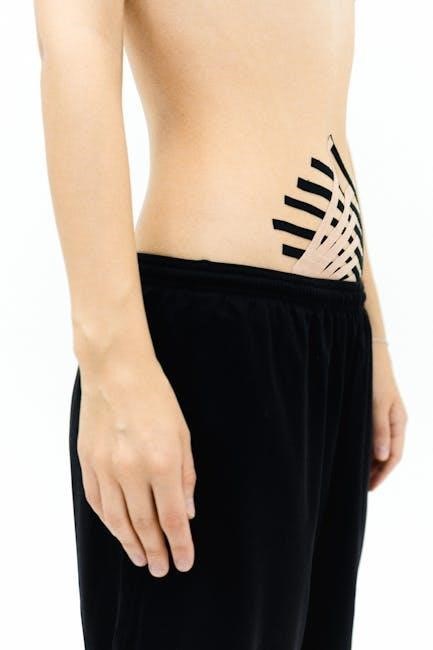
KT Tape offers a non-invasive approach to managing rotator cuff discomfort, utilizing elastic properties to provide support and enhance the body’s natural healing processes.
This innovative taping method is gaining recognition as a complementary strategy alongside traditional rehabilitation, offering potential benefits for individuals experiencing shoulder pain.
What is KT Tape?
KT Tape, short for Kinesiology Therapeutic Tape, is an elastic cotton strip with an acrylic adhesive backing designed to stretch and recoil like skin.
Unlike traditional athletic tape, it doesn’t restrict movement; instead, it supports muscles and joints while allowing a full range of motion. Commonly, Kinesio Tex Classic is utilized, as seen in clinical applications.
Its elasticity mimics the human skin, providing a gentle lifting effect that can decompress tissues and improve circulation, contributing to pain relief and faster recovery.
How KT Tape Differs from Traditional Taping
Traditional athletic tape primarily focuses on restricting movement, providing rigid support, and stabilizing an injured joint. KT Tape, conversely, allows for full range of motion while offering dynamic support to muscles.
Unlike the constrictive nature of traditional tape, KT Tape’s elasticity mimics skin, enhancing proprioception and circulation.
It doesn’t aim to immobilize but rather to facilitate the body’s natural healing process, making it suitable for ongoing activity during rehabilitation.
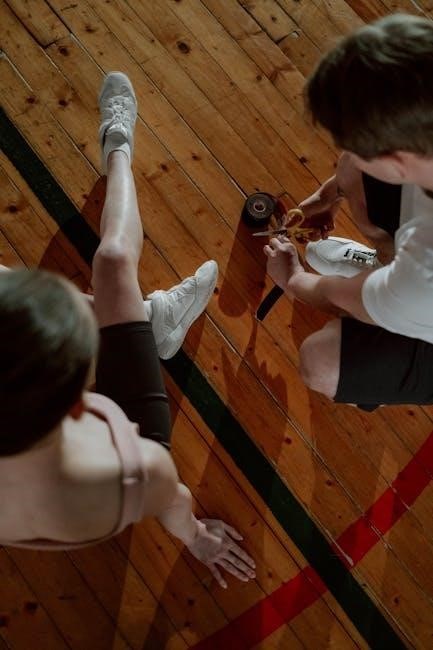
Understanding Rotator Cuff Injuries
Rotator cuff injuries encompass a spectrum of conditions affecting the muscles and tendons surrounding the shoulder joint, commonly causing pain and limited mobility.
These injuries often stem from overuse, acute trauma, or age-related degeneration, impacting shoulder function.
Common Types of Rotator Cuff Injuries
Rotator cuff tears range from partial to full thickness, impacting the tendon’s ability to function properly. Tendinitis, or inflammation of the tendons, is frequently observed, causing pain during movement.
Impingement syndrome occurs when tendons become compressed within the shoulder, leading to irritation and pain. Bursitis, inflammation of the bursa sac, often accompanies these conditions, exacerbating discomfort. These injuries can develop gradually over time or result from a sudden injury, significantly affecting shoulder mechanics and daily activities.
Symptoms of a Rotator Cuff Injury
Common symptoms include a dull, aching pain in the shoulder, often radiating down the arm. Pain is frequently worse at night or when lifting and lowering the arm. Weakness in the shoulder makes activities like reaching overhead difficult.
Individuals may experience a clicking or popping sensation during movement. Limited range of motion and difficulty with everyday tasks are also prevalent. These symptoms can significantly impact quality of life, necessitating appropriate evaluation and management.
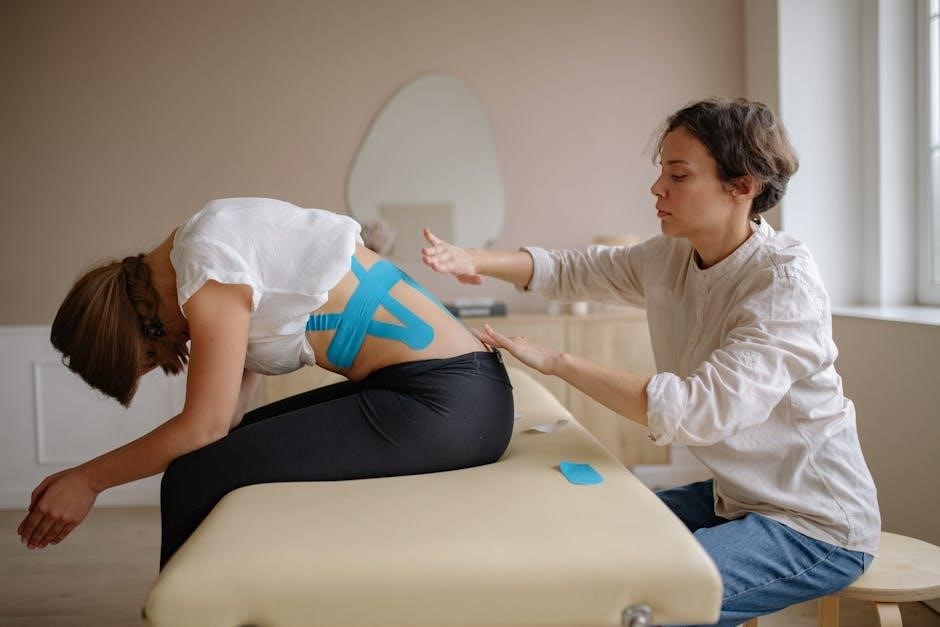
The Mechanism of KT Tape for Rotator Cuff Support
KT Tape works by providing proprioceptive feedback, refining cortical representation of scapular position, and modulating pain perception through the pain-gate theory.
Proprioceptive Feedback and Cortical Representation
KT Tape enhances cutaneous proprioceptive feedback, which is crucial for improving body awareness and movement control. This refined sensory input directly influences the cortical representation of scapular position within the brain.
By optimizing this neurological connection, KT Tape facilitates normalized recruitment of the rotator cuff musculature. This, in turn, mitigates aberrant joint loading patterns that often perpetuate tissue stress and contribute to ongoing injury cycles, promoting more efficient shoulder mechanics.
Pain Gate Theory and Pain Modulation
KT Tape is believed to modulate pain perception through the pain gate theory, a neurological concept explaining how the brain processes pain signals. The continuous sensory input provided by the tape creates a constant stream of non-nociceptive stimulation.
This input effectively “closes the gate” to pain signals, reducing the central transmission of nociceptive signals and lessening the perceived intensity of discomfort; Consequently, KT Tape can offer temporary pain relief, aiding in improved function.
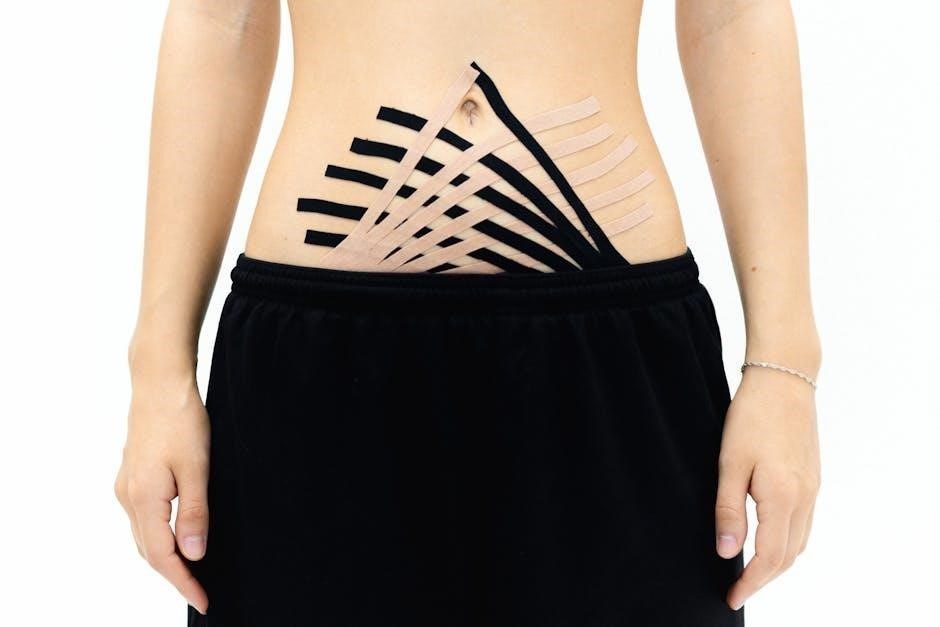
KT Tape Application Techniques for Rotator Cuff
Effective application requires careful skin preparation and utilizing Kinesio Tex Classic tape, ensuring proper adhesion and maximizing the therapeutic benefits for rotator cuff support.
Preparation of the Skin
Prior to application, meticulous skin preparation is crucial for optimal KT Tape adherence and effectiveness. The skin surface must be clean, dry, and free from oils, lotions, or powders. Isopropyl alcohol is commonly used to thoroughly cleanse the application area, removing any residues that could impede the tape’s bonding capabilities.
Shaving excessive hair in the application zone may also be necessary to ensure secure tape placement. This step enhances direct skin contact, maximizing the tape’s ability to provide support and facilitate proprioceptive feedback. Proper preparation significantly contributes to a successful taping outcome.
Materials Needed: KT Tape Specifications (Kinesio Tex Classic)
For rotator cuff support, Kinesio Tex Classic tape is frequently recommended due to its high-quality elastic properties and adhesive formulation. Typically, a width of 2 inches (5cm) is utilized for shoulder applications, providing sufficient coverage and support. The tape’s composition mirrors the skin’s elasticity, allowing for natural range of motion.
Blue tape is often preferred for visibility, but other colors are suitable. Ensure the tape is stored properly to maintain its adhesive qualities. Scissors are needed for precise cutting, and skin cleanser (isopropyl alcohol) is essential for preparation.
Basic Application Principles
Effective KT Tape application centers around understanding skin preparation and tape mechanics. Clean the skin with isopropyl alcohol to remove oils, ensuring optimal adhesion. Round the corners of the tape to prevent premature lifting. Apply with a gentle stretch, typically 10-20%, depending on the desired effect – more for muscle support, less for pain relief.
Rub the tape vigorously after application to activate the heat-sensitive adhesive. Proper tension and direction are crucial for achieving the intended biomechanical outcome.

Step-by-Step Rotator Cuff Taping Guide
This guide details a three-strip application process: one for pain relief, another for muscle support, and a final strip for scapular stabilization, enhancing shoulder function.
Application for Pain Relief ― Strip 1
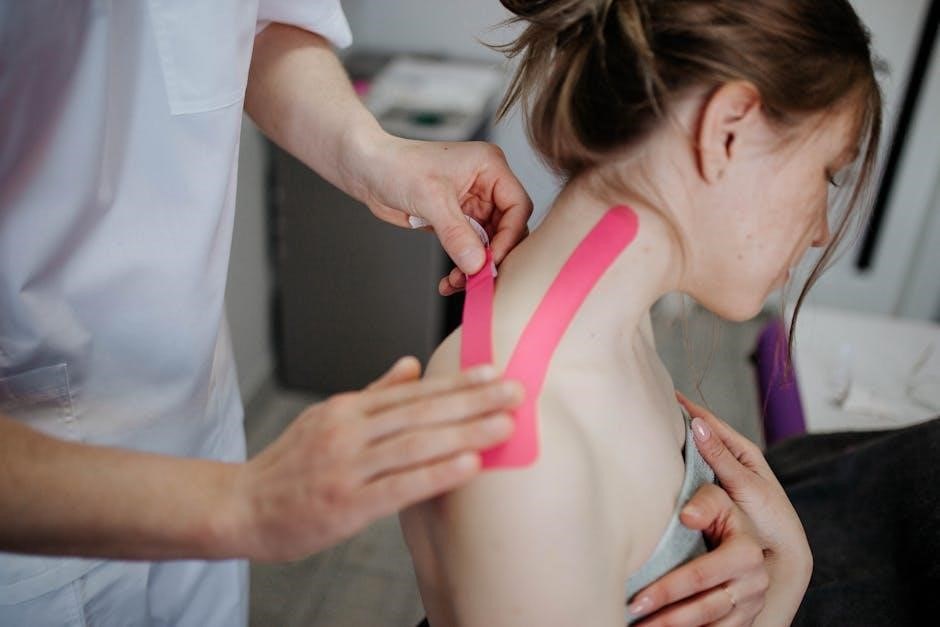
Begin with the patient’s arm relaxed and slightly abducted. Apply the first strip of KT Tape (Kinesio Tex Classic is recommended) from the shoulder’s painful area, following the path of pain, towards the upper trapezius.
Ensure a 10-20% stretch on the tape, anchoring the beginning without stretch and gradually applying tension as you move along the painful area. Gently rub the tape after application to activate the adhesive and enhance proprioceptive feedback, potentially modulating pain signals through the pain gate theory.
Application for Muscle Support ⎯ Strip 2
To support the rotator cuff muscles, apply the second strip of KT Tape over the affected muscle belly – typically the supraspinatus. Start with the shoulder in a neutral position. Use a gentle 15-20% stretch, applying the tape from the muscle’s origin to insertion point.
This application aims to enhance muscle function and provide stability during movement. Remember to rub the tape thoroughly after application to activate the adhesive and optimize proprioceptive input, aiding in normalized muscle recruitment.
Application for Scapular Stabilization ⎯ Strip 3
For scapular stabilization, the third strip of KT Tape focuses on correcting scapular positioning. Apply the tape along the medial border of the scapula, starting inferiorly and moving superiorly with a gentle 10-15% stretch.
This technique encourages proper scapular movement, which is crucial for optimal rotator cuff function. Rub the tape firmly to ensure adhesion and enhance proprioceptive feedback, promoting better shoulder mechanics and reducing stress on the injured tissues.
Important Considerations During Application
Proper application requires thorough skin preparation and attention to tape tension and direction for optimal adherence and effectiveness, maximizing therapeutic benefits.
Tape Rubbing for Adherence
Vigorous rubbing of the KT Tape after application is crucial for activating the heat-sensitive adhesive, ensuring secure and lasting adherence to the skin. This process generates friction, warming the tape and promoting a stronger bond.
Rubbing should be performed firmly and comprehensively across the entire length of each strip, paying particular attention to the ends. This step minimizes the risk of lifting or peeling, especially during movement or exposure to moisture, and maximizes the tape’s therapeutic effect.
Tape Tension and Direction
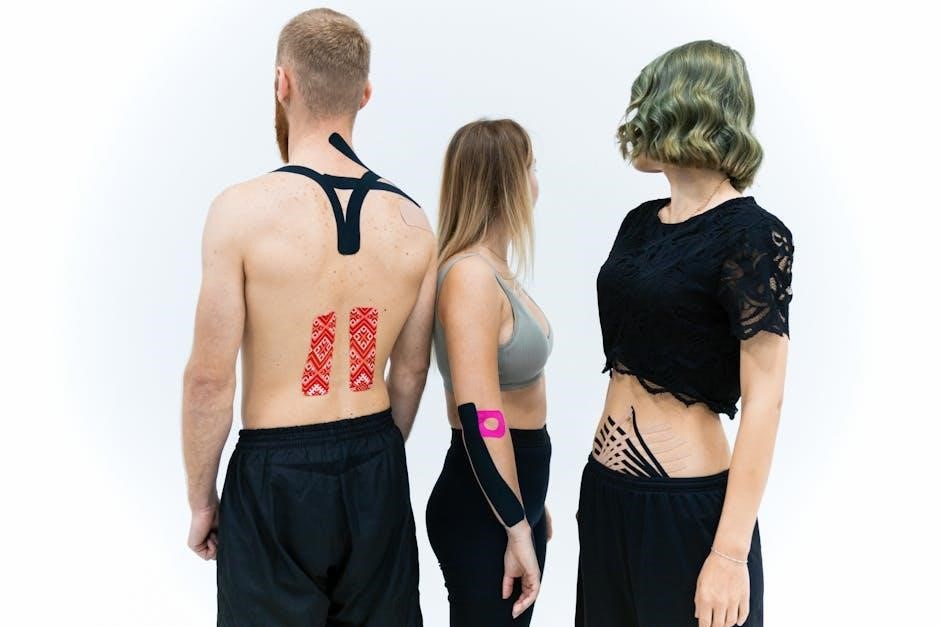
Applying appropriate tension is paramount for effective KT Tape application; typically, 10-25% stretch is recommended for rotator cuff support, varying based on individual needs and the specific taping technique. Direction also matters – strips are generally applied along the muscle fibers or to facilitate lymphatic drainage.
Incorrect tension can hinder benefits or cause skin irritation, so careful consideration is vital. The goal is to provide support without restricting range of motion, promoting natural movement patterns.
Post-Application Care and Precautions
After KT Tape application, gently rub to activate the adhesive, and monitor for skin reactions. Avoid excessive moisture and maintain normal activity levels.
Tape Wear Time
Typically, KT Tape can be worn for 3-5 days, even during showering or other water activities, due to its water-resistant properties. However, individual wear time may vary based on skin sensitivity and activity level.
Observe the tape for lifting at the edges, indicating reduced adhesion. If irritation develops, remove the tape immediately. It’s generally recommended to allow the skin to rest for a day before reapplying a fresh strip, preventing potential sensitivities.
Skin Reactions and Allergies
Although KT Tape is generally well-tolerated, some individuals may experience skin irritation or allergic reactions to the adhesive. Symptoms can include redness, itching, or a rash under the tape.
Prior to full application, test a small piece on unaffected skin. If a reaction occurs, discontinue use immediately. Those with sensitive skin should consider hypoallergenic options and ensure thorough skin cleansing before application to minimize potential adverse effects.

Effectiveness of KT Tape: Research Findings
Studies suggest KT Tape may reduce pain and improve scapular positioning by enhancing proprioceptive feedback and modulating pain signals through the pain gate theory.
Meta-Analysis of Randomized Trials
A recent meta-analysis, published by Frontiers, investigated the efficacy of kinesiology tape for rotator cuff injuries. The research indicated that KT Tape positively influences cortical representation of scapular position.
This refined cortical mapping facilitates normalized recruitment of the rotator cuff muscles, reducing abnormal joint loading. By enhancing cutaneous proprioceptive feedback, KT tape potentially mitigates tissue stress, contributing to improved shoulder function and reduced pain levels in affected individuals.
Clinical Trial Results on Pain Reduction
Randomized clinical trials demonstrate KT Tape’s potential for alleviating shoulder pain associated with rotator cuff issues. Studies show that application of KT Tape, specifically using Kinesio Tex Classic, can lead to measurable reductions in perceived pain levels.
The continuous sensory input from the tape is theorized to modulate pain perception via the pain-gate theory, diminishing the transmission of nociceptive signals and offering symptomatic relief to patients.
Limitations of KT Tape Therapy
KT Tape isn’t a standalone cure; it’s most effective when integrated with a comprehensive rehabilitation program focusing on strengthening and restoring function.
Not a Cure-All Solution
It’s crucial to understand that KT Tape provides symptomatic relief and support, but it doesn’t address the underlying cause of the rotator cuff injury. Relying solely on taping without addressing muscle imbalances, poor posture, or movement patterns will likely lead to recurring issues.
KT Tape can be a valuable tool, but it’s not a substitute for a proper diagnosis and a tailored rehabilitation plan developed by a qualified healthcare professional. Expecting a complete fix from taping alone is unrealistic and may delay appropriate treatment.
Importance of Comprehensive Rehabilitation
A successful recovery from a rotator cuff injury necessitates a comprehensive rehabilitation program, extending beyond KT Tape application. This includes targeted strengthening exercises to restore muscle function, improve range of motion, and address any underlying biomechanical deficiencies.
Physical therapy plays a vital role in guiding patients through progressive exercises, restoring proper movement patterns, and preventing future injuries. KT Tape can be strategically integrated within this broader plan to enhance support and facilitate healing, not replace it.
Combining KT Tape with Other Treatments
Synergistic effects are achieved when KT Tape is used alongside physical therapy and targeted strengthening exercises, optimizing recovery and function.
This multi-faceted approach addresses pain, support, and long-term muscle health for superior outcomes.
Physical Therapy
Integrating KT Tape with a comprehensive physical therapy program is crucial for optimal rotator cuff rehabilitation. A skilled therapist will design exercises to restore range of motion, strengthen weakened muscles, and improve scapular stability.
KT Tape can be strategically applied before therapy to facilitate muscle activation and reduce pain, allowing for more effective participation. After therapy, it can provide continued support and proprioceptive feedback, reinforcing the benefits of the session and promoting long-term healing. This combined approach addresses both the symptoms and underlying causes of the injury.
Strengthening Exercises
Alongside KT Tape application, targeted strengthening exercises are paramount for rotator cuff recovery. These exercises should focus on the internal and external rotators, as well as the deltoid and scapular stabilizers.
Progressive resistance training, starting with light weights or resistance bands, gradually increases muscle strength and endurance. KT Tape can be used during exercise to provide support, enhance muscle recruitment, and minimize pain, enabling patients to perform exercises with better form and greater confidence, ultimately accelerating rehabilitation.
Resources for Further Learning
Numerous online video tutorials demonstrate proper KT Tape application techniques for rotator cuff injuries, offering visual guidance. Professional consultation with a physical therapist is also recommended.
Online Video Tutorials
YouTube provides a wealth of instructional videos, such as the KT Tape channel’s guide on rotator cuff taping for shoulder pain relief and support. These resources visually demonstrate step-by-step application techniques, aiding comprehension and proper execution.
Searching for “KT Tape rotator cuff” yields numerous options, catering to different learning preferences. These tutorials often cover preparation, strip application, and post-application care, empowering individuals to self-manage their shoulder discomfort effectively. Remember to always consult a healthcare professional.
Professional Guidance and Consultation
While online resources are helpful, seeking guidance from a qualified healthcare professional – such as a physical therapist or athletic trainer – is crucial. They can provide a personalized assessment and tailor KT Tape application to your specific injury and needs.
A professional ensures correct technique, maximizing benefits and minimizing risks. They can also integrate KT Tape into a comprehensive rehabilitation plan, addressing underlying causes of rotator cuff issues for optimal recovery and long-term shoulder health.
Potential Side Effects
KT Tape is generally safe, but some individuals may experience minor skin irritation or allergic reactions to the adhesive. Monitor for any discomfort.
Skin Irritation
Skin irritation is a relatively common, yet typically mild, side effect associated with KT Tape application. This can manifest as redness, itching, or a rash directly under or around the tape’s adhesive. Individuals with sensitive skin are potentially more susceptible to experiencing these reactions.
Proper skin preparation, including thorough cleaning with isopropyl alcohol before application, can help minimize the risk. If irritation occurs, gently remove the tape and cleanse the area. Persistent or severe reactions warrant consultation with a healthcare professional.
Allergic Reactions
Allergic reactions to KT Tape, while infrequent, are a potential concern, primarily due to the acrylic adhesive used. Symptoms can range from localized itching and hives to more severe responses like blistering or difficulty breathing – requiring immediate medical attention.
Individuals with known acrylate allergies should exercise caution or avoid KT Tape altogether. Performing a small skin test with the tape prior to full application is advisable. Discontinue use and seek medical advice if any allergic symptoms develop.
Frequently Asked Questions (FAQs)
Common questions address wear duration, typically several days, and KT Tape’s waterproof nature, allowing showering and activity without significant loss of adhesion.
How long can I wear KT Tape?
Generally, KT Tape can be worn for 3 to 5 days continuously. This duration allows for sustained support and proprioceptive feedback, aiding in the healing process of the rotator cuff.
However, individual tolerance varies; monitor for skin irritation. Removing the tape before showering or swimming can prolong its wear, though it is inherently waterproof;
Proper application and skin preparation are crucial for optimal adhesion and comfort during the recommended wear time, maximizing therapeutic benefits.
Is KT Tape waterproof?
Yes, KT Tape is designed to be water-resistant and can remain adhered during activities like showering, swimming, and various forms of exercise. The adhesive is formulated to maintain its stickiness even when exposed to moisture.
However, prolonged and repeated submersion may gradually reduce adhesion. Rubbing the tape after application enhances its bond and water resistance.
Despite its water-resistant properties, avoiding harsh soaps or oils directly on the tape is recommended to preserve its effectiveness and longevity.