
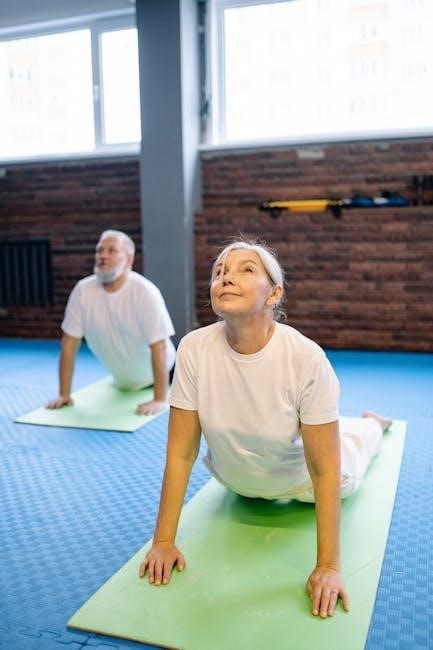
Sciatica profoundly impacts seniors, often diminishing their quality of life; a targeted PDF guide with exercises can empower them to manage pain and regain mobility․
What is Sciatica?
Sciatica isn’t a condition itself, but rather a symptom stemming from irritation or compression of the sciatic nerve․ This longest nerve in the body extends from the lower back, through the buttocks, and down each leg․ Compression often arises from herniated discs, bone spurs, or spinal stenosis․
Consequently, individuals experience pain radiating along the nerve’s path․ A PDF focusing on exercises for seniors can address this by gently mobilizing the nerve and strengthening supporting muscles․ Understanding this root cause is crucial for effective, targeted relief, and a well-designed PDF can guide seniors through appropriate movements․
Sciatica Prevalence in the Senior Population
Sciatica becomes increasingly common with age, largely due to natural degenerative changes in the spine, such as osteoarthritis and disc degeneration․ These conditions heighten the risk of nerve compression․ Seniors often experience a slower recovery and may have co-existing health issues complicating treatment․
Therefore, a tailored approach, like a PDF guide with specifically designed exercises, is vital․ Such a resource can offer safe, effective pain management strategies․ A senior-friendly PDF acknowledges age-related limitations and promotes independence through self-care․
Understanding the Causes of Sciatica in Older Adults
Several factors contribute to sciatica in seniors․ Spinal stenosis, a narrowing of the spinal canal, is a frequent cause, compressing the sciatic nerve․ Degenerative disc disease and herniated discs also play significant roles, as does osteoarthritis affecting spinal joints․ These conditions often develop gradually over time․
A comprehensive PDF guide detailing appropriate exercises can address these underlying issues․ It should explain how movement can alleviate pressure and improve nerve function․ Understanding these causes empowers seniors to actively participate in their recovery, guided by a well-structured resource․

Symptoms of Sciatica in Seniors
Sciatica presents as lower back pain radiating down the leg, potentially causing numbness or weakness; a PDF with exercises can help manage these symptoms effectively․
Common Pain Locations
Sciatica pain typically originates in the lower back and radiates along the sciatic nerve pathway․ Seniors often experience discomfort in the buttock, hip, and the back of the thigh․ Pain can extend down the calf and even into the foot, sometimes affecting only one side of the body․ A comprehensive PDF guide detailing exercises should visually map these common pain locations․ Understanding where the pain manifests is crucial for selecting appropriate exercises․ The PDF should emphasize that pain location can vary, and exercises should be modified accordingly to avoid exacerbating discomfort in specific areas․ Proper guidance within the PDF is essential for safe and effective pain management․
Associated Symptoms (Numbness, Weakness)
Beyond pain, seniors with sciatica frequently report numbness or tingling sensations in the leg or foot․ Muscle weakness can also occur, impacting mobility and balance․ A detailed PDF of exercises must acknowledge these accompanying symptoms․ The PDF should advise seniors to immediately stop any exercise if numbness or weakness increases․ It’s vital to differentiate between normal muscle fatigue and concerning weakness․ The PDF should clearly state that persistent or worsening neurological symptoms require immediate medical attention․ Safe exercise selection, guided by the PDF, prioritizes avoiding further nerve irritation․
Differentiating Sciatica from Other Conditions
A comprehensive PDF on sciatica exercises for seniors must emphasize the importance of accurate diagnosis․ Lower back pain can stem from various causes – arthritis, spinal stenosis, or muscle strains – mimicking sciatica․ The PDF should clearly state that self-diagnosis is discouraged․ It should advise seniors to consult a physician for proper evaluation before starting any exercise program․ The PDF can include a brief symptom comparison chart, but always prioritize professional medical advice․ Ruling out other conditions ensures the exercises are appropriate and won’t exacerbate an unrelated issue․
Benefits of Exercise for Sciatica in Seniors
Sciatica exercises, detailed in a senior-focused PDF, offer pain relief, improved flexibility, and strengthened core muscles, promoting independence and better function․
Pain Management Through Movement
Sciatica exercises, conveniently compiled within a PDF guide, are a cornerstone of non-invasive pain management for seniors․ Gentle movements help decompress the sciatic nerve, reducing inflammation and alleviating radiating discomfort․ A well-structured PDF will illustrate how specific stretches and low-impact activities can interrupt pain signals and promote natural healing․
Movement encourages blood flow to affected areas, delivering essential nutrients and oxygen․ Consistent exercise, as outlined in the PDF, doesn’t eliminate pain instantly, but builds resilience and empowers seniors to actively participate in their recovery, lessening reliance on medication and improving overall well-being․
Improved Flexibility and Range of Motion
A comprehensive sciatica exercises PDF for seniors prioritizes regaining lost flexibility and range of motion․ Sciatic pain often restricts movement, leading to stiffness and further discomfort․ Targeted stretches, clearly demonstrated within the PDF, gently lengthen muscles surrounding the sciatic nerve, reducing compression and improving joint mobility․
Increased flexibility allows for easier performance of daily activities, from bending and lifting to walking and sitting․ The PDF should emphasize gradual progression, ensuring exercises are modified to suit individual capabilities, preventing strain and maximizing benefits․ Restoring range of motion is vital for long-term pain relief․
Strengthening Supporting Muscles
A well-designed sciatica exercises PDF for seniors will dedicate sections to strengthening core and back muscles․ These muscles provide crucial support for the spine, reducing pressure on the sciatic nerve․ Weakness in these areas exacerbates pain and hinders recovery․ The PDF should feature progressive exercises, starting with gentle activations and gradually increasing resistance․
Strengthening exercises improve posture, enhance spinal stability, and promote proper body mechanics․ Clear illustrations and modifications within the PDF are essential to ensure correct form and prevent injury․ A stronger core and back contribute significantly to long-term pain management and functional independence․
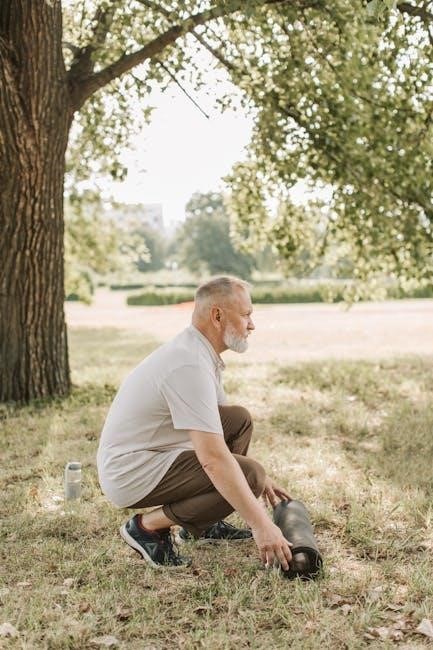
Gentle Sciatica Exercises for Seniors (PDF Focus)
Sciatica exercises PDF guides offer seniors accessible, safe routines for pain relief and improved function, promoting independence and a better quality of life․
Importance of a PDF Guide
Sciatica exercise PDFs are invaluable resources for seniors seeking accessible and convenient pain management․ A well-designed PDF allows for easy download and offline access, eliminating reliance on internet connectivity – crucial for those less tech-savvy․ These guides often feature clear illustrations and step-by-step instructions, ensuring proper form and minimizing risk of injury․
Furthermore, a PDF format facilitates printing, enabling seniors to have a physical copy readily available during exercise sessions․ The portability of a PDF means exercises can be performed anywhere, fostering consistency․ A dedicated sciatica PDF empowers seniors to actively participate in their recovery journey, promoting independence and improved well-being․
Key Features of a Senior-Friendly Sciatica PDF
A truly senior-friendly sciatica exercise PDF prioritizes clarity and safety․ Large, easy-to-read fonts are essential, alongside high-quality illustrations demonstrating correct form․ Modifications for varying fitness levels should be included, offering options for those with limited mobility or other health concerns․
The PDF should clearly state any necessary precautions and emphasize the importance of consulting a physician before starting․ A logical progression of exercises, starting with gentle movements, is vital․ Bonus features like warm-up and cool-down routines enhance its value․ A well-structured PDF empowers seniors to exercise confidently and safely․
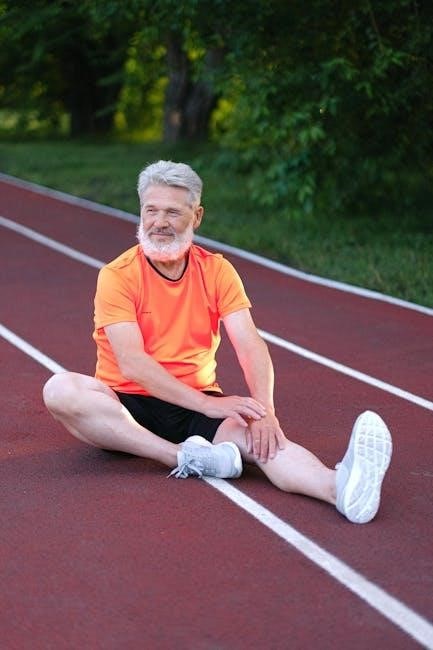
Specific Exercises – Lower Back & Core
Lower back and core exercises, like pelvic tilts, knee-to-chest stretches, and bridging, gently strengthen muscles supporting the spine, easing sciatica pain․
Pelvic Tilts
Pelvic tilts are a foundational exercise for seniors managing sciatica, gently mobilizing the lower back and strengthening core muscles without excessive strain․ Begin by lying on your back with knees bent and feet flat on the floor․
Slowly flatten your lower back against the floor by tightening your abdominal muscles and tilting your pelvis upward․ Hold for five seconds, then relax, allowing a small arch to form in your lower back․
Repeat 10-15 times, focusing on controlled movements․ This exercise improves spinal flexibility and core stability, crucial for alleviating sciatica discomfort․ A PDF guide should illustrate proper form․
Knee-to-Chest Stretches
Knee-to-chest stretches are a gentle yet effective way for seniors to relieve sciatica pain by decompressing the lower spine and stretching the gluteal muscles․ Lie on your back with knees bent and feet flat․
Gently pull one knee towards your chest, keeping the other foot on the floor․ Hold for 20-30 seconds, feeling a stretch in your lower back and hip․ Repeat with the other leg․
Perform 2-3 repetitions on each side․ A well-designed PDF for sciatica exercises should emphasize maintaining a neutral spine during this stretch, avoiding any pulling or discomfort․
Bridging Exercises
Bridging exercises are excellent for strengthening the glutes and hamstrings, crucial muscles supporting the lower back and alleviating sciatica symptoms in seniors․ Lie on your back with knees bent and feet flat on the floor, hip-width apart․
Engage your core and glutes, then lift your hips off the floor, creating a straight line from your shoulders to your knees․ Hold for a few seconds, then slowly lower back down․
A comprehensive sciatica exercises PDF should detail proper form – avoiding arching the back – and suggest starting with 10-12 repetitions, gradually increasing as strength improves․

Specific Exercises – Hamstring Focused
Hamstring stretches, detailed in a sciatica exercises PDF, are vital for seniors, easing lower back tension and relieving pressure on the sciatic nerve effectively․
Seated Hamstring Stretch
The seated hamstring stretch, clearly illustrated within a senior-focused sciatica exercises PDF, is a gentle yet effective method for improving flexibility․ Begin by sitting upright on a chair with your feet flat on the floor․ Extend one leg straight out in front of you, keeping your heel on the ground and toes pointed upwards․ Gently lean forward from your hips, maintaining a straight back, until you feel a stretch in the back of your thigh․
Hold this position for 20-30 seconds, breathing deeply․ Repeat on the other leg․ This stretch helps alleviate tension in the hamstrings, which can contribute to sciatic nerve compression․ A PDF guide ensures proper form, minimizing risk and maximizing benefit for seniors․
Standing Hamstring Stretch (with support)
The standing hamstring stretch, detailed in a comprehensive sciatica exercises PDF for seniors, requires a stable support – a chair or wall – for balance․ Place one heel on a slightly elevated surface, keeping the leg straight but not locked․ Gently lean forward from the hips, maintaining a straight back, until you feel a stretch in the hamstring․ Avoid rounding your back․
This modified stretch is safer for seniors with balance concerns․ Hold for 20-30 seconds, breathing deeply, and repeat on the other leg․ A well-designed PDF will emphasize the importance of support and proper alignment to prevent injury and maximize relief;
Towel Hamstring Stretch
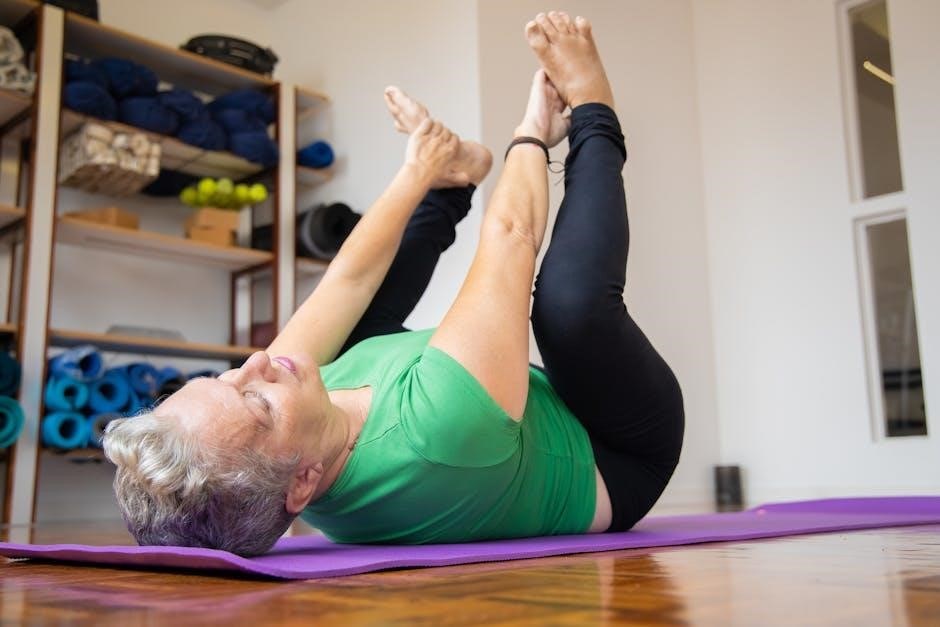
A sciatica exercises PDF for seniors often includes the towel hamstring stretch, a gentle and accessible option․ Lie on your back with both legs extended․ Loop a towel around the ball of one foot, holding the ends of the towel with both hands․ Gently pull on the towel, raising the leg towards the ceiling while keeping the knee as straight as comfortable․
Hold the stretch for 20-30 seconds, feeling it in the back of your thigh․ This PDF-guided exercise improves hamstring flexibility, potentially alleviating sciatic nerve pressure․ Repeat several times on each leg․

Specific Exercises – Nerve Glides/Flossing
Nerve glides, detailed in a sciatica exercises PDF, gently mobilize the sciatic nerve, reducing irritation and improving flexibility for seniors experiencing pain․
Seated Sciatic Nerve Glide
Seated sciatic nerve glides, clearly illustrated within a comprehensive sciatica exercises PDF, are a gentle yet effective technique for seniors․ Begin seated with legs extended․ Slowly tilt your chin towards your chest, simultaneously bending forward at the hips while pointing your toes․ Then, straighten your back, lifting your chin, and pointing your foot towards the ceiling․
Repeat this gliding motion 10-15 times, focusing on smooth, controlled movements․ This exercise helps mobilize the sciatic nerve, reducing compression and alleviating associated pain․ A PDF guide ensures proper form, minimizing risk and maximizing benefits for older adults․ Remember to listen to your body and stop if pain increases․
Standing Sciatic Nerve Glide
A well-designed sciatica exercises PDF should include standing sciatic nerve glides, offering a variation for seniors who prefer to perform exercises upright․ Begin standing with feet hip-width apart․ Gently bend forward at the waist, letting your arms hang towards the floor․ Simultaneously extend one leg straight out in front of you, flexing your foot․
Then, return to the starting position and repeat with the other leg․ Perform 10-15 repetitions on each side․ This movement gently stretches and mobilizes the sciatic nerve․ The PDF should emphasize maintaining a straight back and avoiding overextension to ensure safety and effectiveness for seniors․
Gentle Nerve Flossing Techniques
A comprehensive sciatica exercises PDF must detail gentle nerve flossing techniques, crucial for relieving nerve irritation․ These exercises involve controlled movements that “floss” the sciatic nerve, reducing compression․ A key technique involves seated or standing positions, alternating between flexing and extending the foot while gently tilting the head․
The PDF should clearly illustrate proper form, emphasizing slow, controlled motions and avoiding any sharp pain․ Seniors should be advised to stop immediately if discomfort arises․ These techniques aim to improve nerve mobility and alleviate sciatica symptoms, promoting better function and reduced pain․

Exercises to Avoid
A sciatica exercises PDF for seniors must clearly outline movements to avoid, like high-impact activities and deep twists, which can exacerbate nerve compression and pain․
High-Impact Activities
A comprehensive sciatica exercises PDF for seniors should strongly advise against high-impact activities․ These include running, jumping, and any exercise creating jarring motions along the spine․ Such movements can significantly aggravate the sciatic nerve, intensifying pain and potentially worsening the underlying condition causing the sciatica․ The PDF should explain why these activities are detrimental, emphasizing the increased stress placed on the lower back and the potential for further nerve compression․ Alternatives, like low-impact walking or water aerobics, should be highlighted as safer options for maintaining fitness without exacerbating symptoms․ Prioritizing gentle movement is key for seniors managing sciatica․
Exercises that Aggravate Pain
A well-designed sciatica exercises PDF for seniors must clearly identify movements to avoid if they increase pain․ These often include deep squats, heavy lifting, and certain spinal twists․ The PDF should emphasize that pain is a signal – pushing through it can worsen nerve inflammation and prolong recovery․ It’s crucial to instruct seniors to immediately stop any exercise causing radiating pain down the leg․ The guide should encourage self-awareness and mindful movement, stressing the importance of modifying or eliminating exercises that don’t feel right․ Individual responses vary, so personalization is vital․
Twisting Motions
A comprehensive sciatica exercises PDF for seniors needs a dedicated section on twisting motions․ While gentle rotation can be beneficial for some, forceful twisting can exacerbate sciatic nerve compression․ The PDF should advise against deep spinal twists, especially when pain is acute․ It should illustrate modified twisting exercises, emphasizing slow, controlled movements within a pain-free range․ Seniors should be cautioned to avoid twisting while lifting or bending․ The guide must highlight the importance of maintaining a neutral spine during all movements, and suggest alternative exercises if twisting causes discomfort or radiating pain․
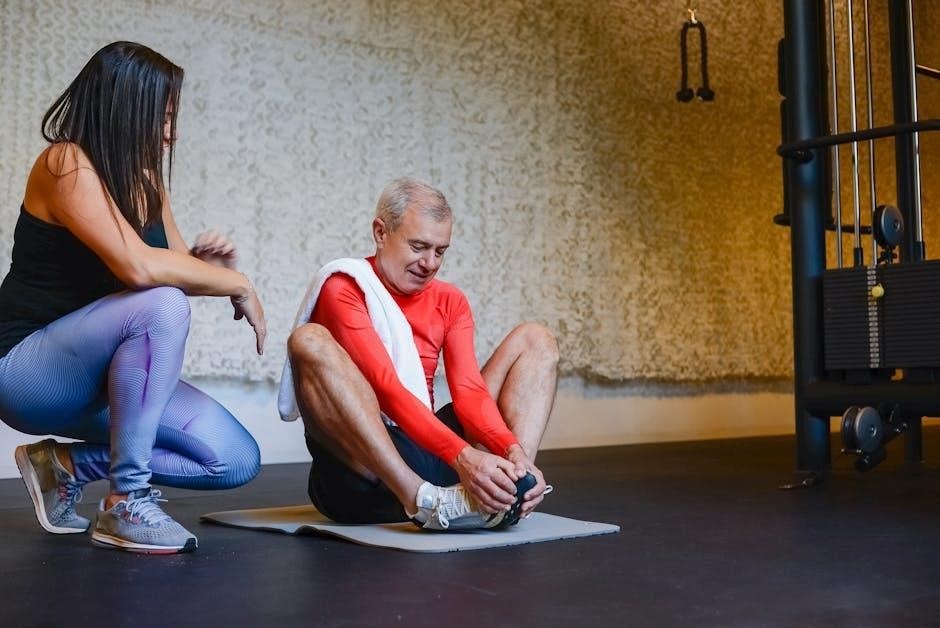
Safety Considerations & Precautions
A sciatica exercises PDF must emphasize consulting a doctor first, prioritizing proper form, and listening to the body’s signals to prevent injury․
Consulting a Doctor Before Starting
Before initiating any exercise program detailed in a sciatica exercises PDF, seniors must consult their physician․ This is crucial to rule out underlying conditions contributing to the pain, ensuring exercises are appropriate for their specific situation․ A doctor can accurately diagnose the cause of sciatica – be it a herniated disc, spinal stenosis, or piriformis syndrome – and advise on any limitations․
They can also assess overall health, considering pre-existing conditions like arthritis or osteoporosis, which may necessitate exercise modifications․ Ignoring this step could exacerbate the problem or lead to further injury․ A healthcare professional’s guidance is paramount for a safe and effective recovery journey․
Proper Form and Technique
Maintaining correct form during sciatica exercises, as illustrated in a quality PDF guide, is paramount for effectiveness and safety․ Incorrect technique can strain muscles, worsen nerve compression, and even cause new injuries․ The PDF should include clear visuals and detailed instructions for each exercise, emphasizing controlled movements․
Seniors should prioritize slow, deliberate repetitions over speed or quantity․ If an exercise causes sharp pain, it should be stopped immediately․ Focusing on engaging core muscles throughout each movement provides stability and protects the spine․ Seeking guidance from a physical therapist initially can ensure proper execution․
Listening to Your Body
A comprehensive sciatica exercise PDF for seniors must emphasize the importance of self-awareness․ Pain is a signal; ignoring it can be detrimental․ Mild discomfort during stretching is acceptable, but sharp, radiating pain necessitates immediate cessation of the exercise․
Each individual’s experience with sciatica is unique․ A PDF guide should encourage modifications based on personal tolerance and limitations․ Some days will be better than others; adjust the intensity and duration accordingly․ Prioritize gentle movements and avoid pushing through pain, respecting the body’s natural boundaries․
Finding a Reliable Sciatica Exercise PDF
Locating a trustworthy sciatica exercise PDF requires careful vetting of sources, prioritizing medical websites and physical therapy clinics for accurate, senior-focused guidance․
Reputable Sources (Medical Websites, Physical Therapy Clinics)
When seeking a sciatica exercise PDF, prioritize resources from established medical institutions and qualified physical therapy clinics․ Websites like the Mayo Clinic, the National Institutes of Health (NIH), and the American Academy of Orthopaedic Surgeons offer evidence-based information and often provide downloadable exercise guides․
Look for PDFs created or reviewed by licensed physical therapists specializing in geriatric care․ These professionals understand the unique needs and limitations of seniors․ Physical therapy clinic websites frequently offer patient resources, including tailored exercise programs․ Avoid PDFs from unverified sources or those promoting quick fixes, as these may be ineffective or even harmful․ Always cross-reference information and consult with a healthcare professional before starting any new exercise regimen․
PDF Checklist: What to Look For
A reliable sciatica exercise PDF for seniors should feature clear, concise instructions accompanied by detailed illustrations or videos demonstrating proper form․ Ensure exercises are specifically designed for older adults, considering potential limitations in flexibility and balance․ The PDF must emphasize safety precautions, including a disclaimer to consult a doctor before starting․
Look for modifications for varying fitness levels and a progression plan to gradually increase intensity․ A good resource will also outline exercises to avoid and provide guidance on listening to your body․ The PDF should be professionally presented, free of grammatical errors, and sourced from a trustworthy organization․
Free vs․ Paid PDF Resources
Free sciatica exercise PDFs can offer a starting point, but often lack the depth and personalization of paid resources․ They may contain generalized exercises without modifications for seniors or specific pain levels․ Paid PDFs, typically created by physical therapists or medical professionals, provide more comprehensive programs, detailed instructions, and potentially, personalized support․
Consider your needs and budget․ If you require a tailored plan and expert guidance, a paid PDF is a worthwhile investment․ However, a free resource can be beneficial for basic exercises and information, always prioritizing safety and consulting a healthcare provider․
Long-Term Management & Prevention
Consistent exercise, good posture, and ergonomic adjustments—outlined in a PDF—are crucial for preventing sciatica recurrence and maintaining a pain-free, active lifestyle for seniors․
Maintaining a Regular Exercise Routine
A consistent exercise routine, detailed within a senior-focused PDF guide, is paramount for long-term sciatica management․ It’s not about intense workouts, but rather gentle, consistent movements that strengthen supporting muscles and improve flexibility․ The PDF should emphasize adherence, suggesting realistic goals and incorporating exercises into daily life․
Regularity prevents stiffness and reinforces proper posture, reducing nerve compression․ A well-structured PDF will offer a progressive plan, gradually increasing intensity as strength improves․ This proactive approach minimizes flare-ups and fosters independence, allowing seniors to enjoy an active and fulfilling life despite sciatica․
Good Posture Habits
A comprehensive sciatica exercises PDF must highlight the critical role of good posture․ Poor posture exacerbates nerve compression, intensifying pain․ The PDF should illustrate correct sitting and standing alignment, emphasizing a neutral spine and relaxed shoulders․ Simple cues, like keeping ears over shoulders, can be incredibly effective․
Furthermore, the guide should address posture during everyday activities – lifting, walking, and even sleeping․ Awareness is key; the PDF can include self-assessment exercises to identify postural imbalances․ Correcting these habits, alongside targeted exercises, provides lasting relief and prevents future sciatica episodes, promoting overall well-being․
Ergonomic Considerations
A valuable sciatica exercises PDF extends beyond just movement, addressing environmental factors․ Ergonomic assessments of workspaces are crucial; the PDF should detail ideal chair height, lumbar support, and monitor positioning to minimize strain․ It should advise seniors to modify their home and work environments to support a neutral spine․
The guide should also cover proper lifting techniques – bending at the knees, keeping the back straight, and holding objects close to the body․ Small adjustments, like using assistive devices for reaching, can significantly reduce stress on the sciatic nerve․ Prioritizing ergonomics complements exercise, fostering long-term pain management․